

Gastromythology is the study of food as culture, ritual, and myth—a concept that explores how what we eat is shaped by, and in turn shapes, the legends, beliefs, and traditions of civilizations across time. Coined and first explained by the Indian author, Arup K. Chatterjee, in 2019, the concept reflects on food histories and cultures through the deeper connections between gastronomy and mythologies, revealing how consumption patterns are are woven into the fabric of identity, spirituality, and storytelling.
Rituals: Every meal carries an element of tradition, whether in the sacred offerings of temples, the Shabbat dinners, or the impromptu toasts shared at celebrations worldwide. Cooking, serving, and eating are acts steeped in custom, marking life’s sacred and everyday moments.
Rhythms: The way we eat follows the cycles of nature, history, and human movement. The harvest festivals of South, East, and Southeast Asia, the fermentation practices in Nordic cuisines, and the Mesoamerican corn traditions all reflect the deep connection between food and the rhythms of existence.
Raconteurs (Storytellers): Every dish has a story. From the silk road spices that shaped global cuisines to the myths of coffee’s discovery in Ethiopian highlands, food carries the legacies of migration, trade, conquest, and adaptation.
A Global Perspective on Culinary Cultures
Gastromythology is a new lens through which we understand the world. It reveals food as a living archive of spirituality, memory, and transformation, connecting people across geographies, faiths, and generations. Whether in the rhythmic kneading of sourdough, the ancient beer-brewing techniques of the Sumerians, or the legendary origins of pasta in the East and West, gastromythology uncovers the sacred, the secular, the mythical, and the timeless.
Explore Classical and Contemporary Underpinnings of Gastromythology
Word of the Day | The Gastromythology Dictionary

Word of the Day | “Gastradigm” | The Gastromythology Dictionary | #7
A gastradigm is a foundational culinary framework that shapes a culture’s food practices, flavors, and dining rituals. It influences everything from ingredient hierarchies to meal structures. Cultural shifts in gastradigms highlight changes in societal values,…
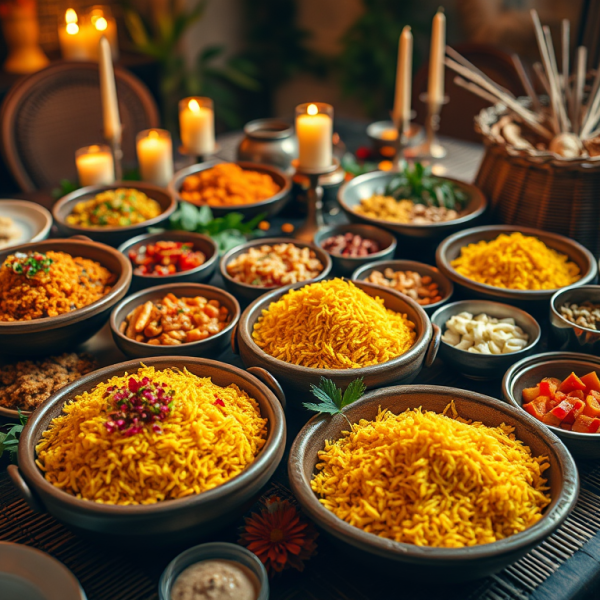
Word of the Day | “Feasthesia” | The Gastromythology Dictionary | #6
Feasthesia is a noun that describes the enhanced sensory experience and emotional response created by a banquet’s combined elements. It engages all five senses, transforming dining into an immersive event. Originating from the word “feast”…

Word of the Day | “Eclairvoyant” | The Gastromythology Dictionary | #5
Eclairvoyant/eɪˌklɑːrˈvɔɪənt/ noun Definition A pastry or confection whose layered flavors and textures seem to “foretell” or reveal hidden gastronomic narratives, guiding the taster toward deeper mythic or historical meanings. Etymology From éclair (a classic filled…
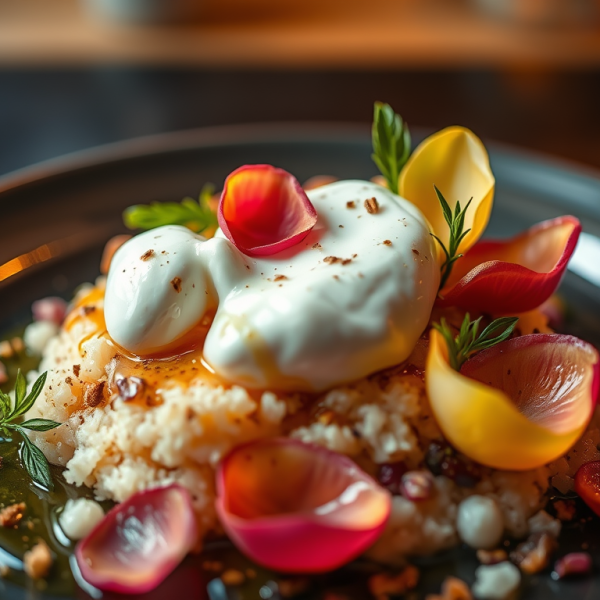
Word of the Day | “Delectrilege” | The Gastromythology Dictionary | #4
Delectrilege is a noun describing a joyful act of culinary “desecration,” where sacred dishes are playfully transformed using unexpected ingredients or techniques. This concept encourages diners to rethink food taboos. Examples include altering traditional recipes…

Word of the Day | “Carbohydrance” | The Gastromythology Dictionary | #3
Carbohydrance refers to a trance-like state achieved through the communal sharing of carbohydrate-rich foods during rituals, fostering collective euphoria. This concept merges the rich tradition of using staple foods in celebrations with a structured, immersive…

Word of the Day | “Bacchanibble” | The Gastromythology Dictionary | #2
Bacchanibble refers to a luxurious small morsel intended to evoke the spirit of a mythic feast, blending opulent ingredients with artful presentation. Originating from the term Bacchanal and the concept of a nibble, these micro-experiences…
Something went wrong. Please refresh the page and/or try again.
Journal

Caviar of the East: El Nido’s Legacy
Edible bird’s nest (EBN) soup, a luxury delicacy in Palawan, Philippines, is made from swiftlet saliva and esteemed for its health benefits. Historically consumed by Chinese elites, its trade reflects significant cultural narratives. However, swiftlet…
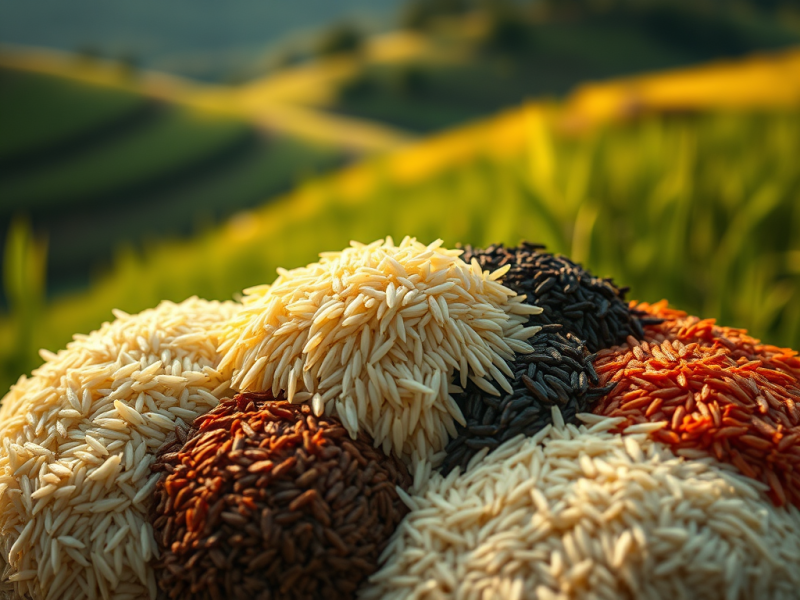
Where Rice Lost Its Soul: Trauma of Disenchantment/Re-enchantment
The Spanish colonization of the Philippines transformed rice from a sacred staple in indigenous cultures to a commodified product, resulting in economic exploitation and cultural trauma. Despite this disenchantment, heirloom rice varieties retain spiritual significance,…

Betel Nut Chewing: A Vanishing but Resuscitated Tradition and its Gastromythology
The Filipino hero José Rizal, celebrated for his subversive novels Noli Me Tangere and El Filibusterismo, incorporates culinary insights into the former—insights that are seldom, if ever, explored. This oversight is due to the novels’ pedantic classification as…
School of Thought | Gastromythology’s Scholarly Underpinnings and Antecedents

Alain de Botton and the Industrialization of Food
The modern food industry, from mass-produced biscuits to global seafood supply chains, embodies the paradox of industrial efficiency and cultural alienation. While food was once deeply tied to local traditions and personal labor, industrialization has…

Žižek, Gastromythology, and Surplus Enjoyment: The Excess of Taste
Gastromythology examines the intersection of food, mythology, and culture, revealing how culinary traditions carry narratives of power, identity, and desire. Slavoj Žižek’s concept of surplus enjoyment, which highlights the paradox of pleasure in excess, offers…

Priscilla Parkhurst Ferguson’s “Accounting for Taste” and Intersections with Gastromythology
American sociologist, Priscilla Parkhurst Ferguson’s Accounting for Taste (2004) offers a theoretical framework that aligns closely with Arup K. Chatterjee’s concept of gastromythology, particularly in its exploration of how culinary discourse transforms food into an…

Arjun Appadurai, Gastromythology, and the Construction of National Cuisine
Indo-American anthropologist, Arjun Appadurai’s seminal essay, “How to Make a National Cuisine: Cookbooks in Contemporary India,” provides a crucial theoretical framework for understanding how culinary narratives shape national identity. His insights on the textualization of…

Abhinavagupta and the Mythopoetics of Culinary Experience
Abhinavagupta, the preeminent philosopher-aesthetician of Kashmir Shaivism, offers a compelling framework for understanding the intersection of food, mythology, and culture—what Arup K. Chatterjee terms gastromythology. At its core, gastromythology explores how culinary practices encode mythic…

Margaret Visser’s Deconstruction of Table Manners, Etiquette, and Gastronomic Symbolism
Margaret Visser is a cultural historian whose work on the rituals, symbolism, and everyday practices surrounding food provides a rich foundation for the concept of gastromythology. Visser’s books, such as Much Depends on Dinner (1986)…
Something went wrong. Please refresh the page and/or try again.
Geographia Gastromythologica | Gastronomic Tales from Around the World
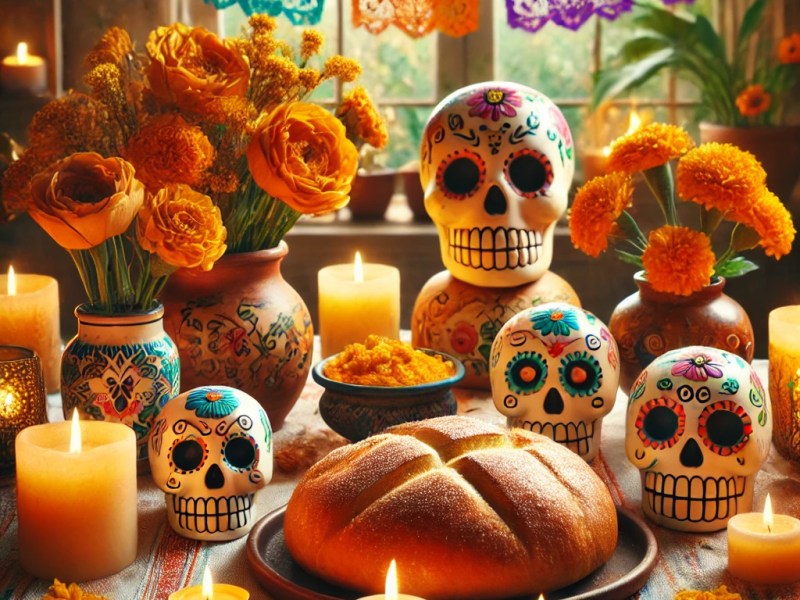
Día de los Muertos Ofrendas: Mexican Ancestral Culinary Mythology in the Framework of Gastromythology
Día de los Muertos, or the Day of the Dead, stands as a profound testament to Mexico’s rich tapestry of cultural rituals, where culinary practices are deeply intertwined with ancestral remembrance. Central to this celebration…
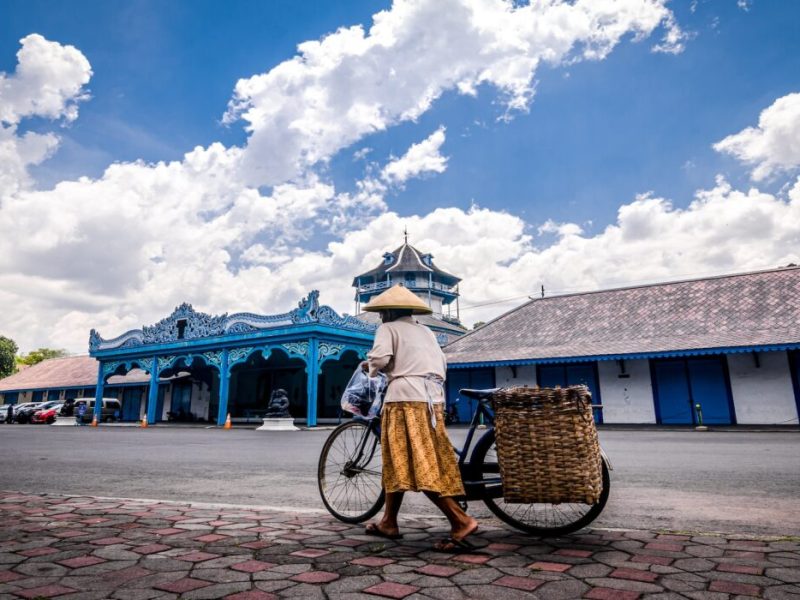
The Sewu Sewu Tradition of Java: A Gastromythological Exploration
The Sewu Sewu tradition, particularly exemplified by the Kirab Apem Sewu ceremony in Sewu Village, Surakarta City, Central Java, Indonesia, offers a profound lens through which to explore gastromythology—the study of the aesthetic rhythms of…

Balinese Food Myths: Culinary Narratives of the Island
Balinese cuisine is deeply rooted in the island’s spiritual, agricultural, and communal traditions, where food is not merely nourishment but a sacred act. The culinary practices of Bali are interwoven with mythologies that reflect Hindu…
Something went wrong. Please refresh the page and/or try again.
 GASTROMYTHOLOGY